Books by country / Africa
Books set in Zimbabwe
Eight books by Zimbabwean writers, set in Zimbabwe, that give a real sense of the place, starting with Nervous Conditions and We Need New Names.
Open Zimbabwe on your map
About the literature of Zimbabwe
Zimbabwe's fiction is shaped by its history: white-minority rule in Rhodesia, the liberation war, and the troubles that followed independence in 1980. Writers work in English, Shona and Ndebele, though little Shona and Ndebele writing has been translated, so most books here were written in English.
Tsitsi Dangarembga's Nervous Conditions, about a girl's fight for schooling, is a classic account of growing up under colonial rule. Chenjerai Hove and Yvonne Vera wrote about the war through the eyes of rural women, and Vera's The Stone Virgins also confronts the Gukurahundi killings in Matabeleland in the early 1980s. Since 2000, with hyperinflation, land seizures and many people leaving, a newer generation including NoViolet Bulawayo and Petina Gappah has written about the crisis at home and life abroad, often with dark humour.
By Zimbabwean writers
“Find a copy” goes to Bookshop.org. If you buy, we earn a small commission and independent bookshops get a share too.
Start here

Nervous Conditions
Tsitsi Dangarembga
Novel, 1988
A girl's struggle for education in 1960s colonial Rhodesia reveals how gender, family obligation and racial hierarchy shaped rural and mission-school life.
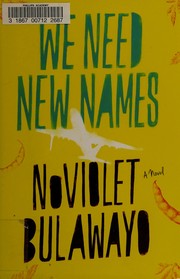
We Need New Names
NoViolet Bulawayo
Novel, 2013
Children in the Paradise shantytown face the collapse of the Zimbabwean economy and political violence, before the narrative moves to America.
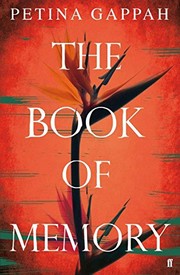
The Book of Memory
Petina Gappah
Novel, 2015
A albino woman on death row in Chikurubi prison recalls her Harare childhood and the country's shifting fortunes.
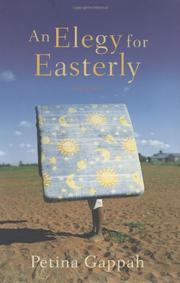
An Elegy for Easterly
Petina Gappah
Short stories, 2009
Short stories capturing ordinary Zimbabweans' lives amid hyperinflation, corruption and political decline in the 2000s.

The Stone Virgins
Yvonne Vera
Novel, 2002
Set in Matabeleland around the independence war and the Gukurahundi violence that followed, it follows two sisters in a rural community and a nearby town.

Bones
Chenjerai Hove
Novel, 1988
A poetic, many-voiced story of rural women on a farm during the 1970s liberation war, shaped by Shona oral traditions.

The Hairdresser of Harare
Tendai Huchu
Novel, 2010
A sharp, funny portrait of everyday life in 2000s Harare, including its economic hardship, social pressures and class divides.

When a Crocodile Eats the Sun
Peter Godwin
Memoir, 2006
A white Zimbabwean-born writer returns during the Mugabe-era collapse and describes his family's story against land seizures and political violence.