About the literature of Rwanda
Rwanda's best-known literary voice abroad is Scholastique Mukasonga, whose novel Our Lady of the Nile won the Prix Renaudot in 2012. Written in French, it is set in a 1970s girls' boarding school near the source of the Nile. Her memoir Cockroaches recalls a Tutsi childhood in Nyamata, and Beata Umubyeyi Mairesse's All Your Children, Scattered moves between Butare before the genocide and the years after it.
Rwandan writing also has a long oral tradition, including ibyivugo, a form of praise poetry. The country's official languages are Kinyarwanda, French and English, and authors have written in both French and English. Many of the best-known books deal with Hutu-Tutsi divisions and the 1994 genocide. Immaculée Ilibagiza's Left to Tell recounts 91 days spent hiding in a pastor's bathroom in Kibuye during the genocide.
“Find a copy” goes to Bookshop.org. If you buy, we earn a small commission and independent bookshops get a share too.
Start here
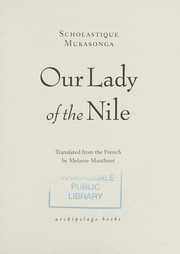
Our Lady of the Nile
Scholastique Mukasonga
Novel, 2012. Translated from French by Melanie Mauthner
A novel set in a 1970s girls' boarding school near the Nile's source, showing Hutu-Tutsi tensions and colonial legacies before the genocide.
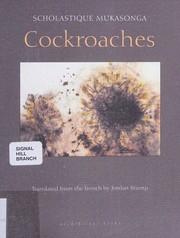
Cockroaches
Scholastique Mukasonga
Memoir, 2006. Translated from French by Jordan Stump
A memoir of a Tutsi childhood in Nyamata, marked by repeated persecution, exile in the countryside and the later loss of her family.

The Barefoot Woman
Scholastique Mukasonga
Memoir, 2008. Translated from French by Jordan Stump
A tribute to the author's mother, recording rural Rwandan domestic life, customs and survival in the years leading up to the genocide.

Left to Tell
Immaculée Ilibagiza
Memoir, 2006
A survivor's account of hiding for 91 days in a pastor's bathroom during the 1994 genocide, set in Kibuye.
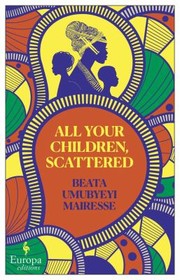
All Your Children, Scattered
Beata Umubyeyi Mairesse
Novel, 2019. Translated from French by Alison Anderson
A novel moving between pre-genocide Butare and the post-genocide years, showing how families and memory are shaped by the violence.
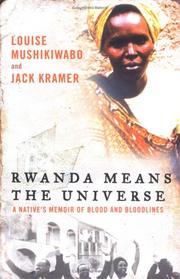
Rwanda Means the Universe
Louise Mushikiwabo
Memoir, 2006
A memoir blending family history, traditional storytelling, exile and the genocide with the country's politics and rebuilding.
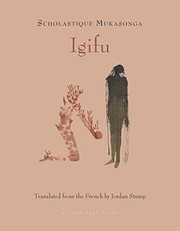
Igifu
Scholastique Mukasonga
Short stories, 2010. Translated from French by Jordan Stump
Short stories of Rwandan village life, memory and loss, drawing on the landscape and Tutsi experiences of the 1960s-90s.
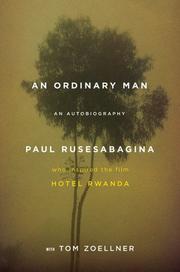
An Ordinary Man
Paul Rusesabagina
Memoir, 2006
A memoir by the Kigali hotel manager, showing the capital, its politics and the genocide's progress, though his account is contested.