Start here
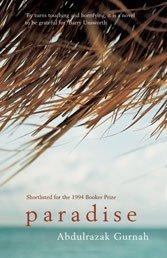
Paradise
Abdulrazak Gurnah
Novel, 1994
A boy is taken on a trade caravan from the coast into the interior of German-era East Africa, in a world of merchants and shifting allegiances.
Six books by writers from Tanzania, set there, that give a real sense of the place, starting with Paradise and Afterlives.
Tanzania's best-known writer is Abdulrazak Gurnah, born in Zanzibar, who won the Nobel Prize in Literature in 2021. Writers there work in both Swahili and English, and Swahili poetry on the East African coast has been written down for centuries, at first in Arabic script. Gurnah's Paradise sends a boy on a trade caravan from the coast into the interior of German-era East Africa.
Peter Palangyo's Dying in the Sun, published in 1968, is an early classic of Tanzanian fiction, in which a young man returns from the city to his village as his father lies dying. Elieshi Lema's Parched Earth follows Doreen Seko, a schoolteacher raised in a village household headed by women, whose independence and career collide with what is expected of her in marriage. German and British rule, independence and Nyerere's socialism shape much Tanzanian fiction.
“Find a copy” goes to Bookshop.org. If you buy, we earn a small commission and independent bookshops get a share too.
A boy is taken on a trade caravan from the coast into the interior of German-era East Africa, in a world of merchants and shifting allegiances.
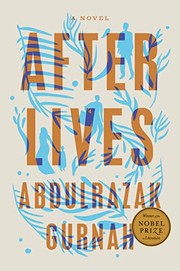
Follows lives in German colonial Tanganyika through the Maji Maji uprising and the First World War, showing colonial violence in a coastal town.
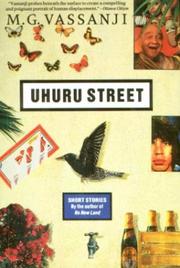
Linked stories of the Asian community in Dar es Salaam, showing everyday life from late colonial times through independence and Nyerere's socialism.

A multi-generational saga of an Indian family on the Swahili coast and in Dar es Salaam, from German rule to the post-independence Zanzibar revolution.

An early classic of Tanzanian fiction, in which a young man leaves the city for his home village in the northern highlands when he hears his father is dying, and confronts the bitterness between them.
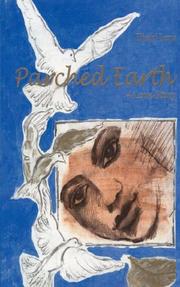
A schoolteacher raised in a village household headed by women finds her independence and career colliding with patriarchal expectations in marriage, in contemporary Tanzania.
Algeria Angola Benin Botswana Burkina Faso Burundi Cabo Verde Cameroon Central African Republic Chad Comoros Congo Côte d'Ivoire Djibouti DR Congo Egypt Equatorial Guinea Eritrea Eswatini Ethiopia Gabon Gambia Ghana Guinea Guinea-Bissau Kenya Lesotho Liberia Libya Madagascar Malawi Mali Mauritania Mauritius Morocco Mozambique Namibia Niger Nigeria Rwanda São Tomé and Príncipe Senegal Seychelles Sierra Leone Somalia South Africa South Sudan Sudan Togo Tunisia Uganda Zambia Zimbabwe