About the literature of Angola
Angola's literature is bound up with the fight against Portuguese rule: Pepetela fought as a guerrilla before writing Mayombe. Its fighters shelter in the Mayombe forest of Cabinda. Writers work mostly in Portuguese, the official language, but Kimbundu, one of Angola's own languages, shapes the prose of José Luandino Vieira's Luuanda, three stories of Luanda's musseques, or shanty towns. Independence came in 1975, and the civil war that followed left its mark on later fiction.
José Eduardo Agualusa's A General Theory of Oblivion tells of a woman who walls herself into her Luanda flat at independence and stays for decades, while his The Book of Chameleons, narrated by a gecko, won the Independent Foreign Fiction Prize in 2007. Ondjaki's Transparent City looks at post-war Luanda through ordinary residents, amid building booms and corruption.
“Find a copy” goes to Bookshop.org. If you buy, we earn a small commission and independent bookshops get a share too.
Start here
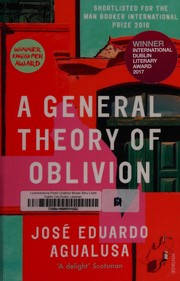
A General Theory of Oblivion
José Eduardo Agualusa
Novel, 2012. Translated from Portuguese by Daniel Hahn
A woman walls herself into her Luanda apartment at independence in 1975 and lives there for decades while the country changes outside.

Mayombe
Pepetela
Novel, 1980. Translated from Portuguese by Michael Wolfers
Guerrillas fighting Portuguese rule shelter in the Mayombe forest of Cabinda, and the novel shows the tribal and ideological tensions inside the liberation movement.
Luuanda
José Luandino Vieira
Short stories, 1963. Translated from Portuguese by Tamara Bender
Three stories of the Luanda musseques (shanty towns) under colonial rule, written in language shaped by Kimbundu and Angolan street speech.
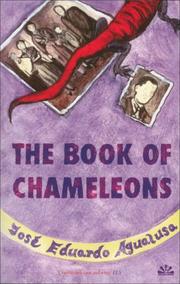
The Book of Chameleons
José Eduardo Agualusa
Novel, 2004. Translated from Portuguese by Daniel Hahn
A gecko narrates post-war Luanda, where a dealer in pasts invents new identities for the newly wealthy elite.
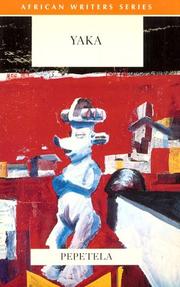
Yaka
Pepetela
Novel, 1984. Translated from Portuguese
Follows a Portuguese settler family in Benguela from the 1890s to independence, showing colonial society and its decline.

Transparent City
Ondjaki
Novel, 2012. Translated from Portuguese
Interwoven lives in a post-war Luanda of inequality, building booms and corruption, seen from ordinary residents' viewpoints.