Start here

The Accusation
Bandi
Short stories, 2014. Translated from Korean
Seven short stories smuggled out of North Korea show ordinary lives under surveillance, ideology and rationing in the 1980s and 90s.
Eight books that put you in North Korea. Seven are by writers from North Korea and set there, starting with The Accusation and The Aquariums of Pyongyang. The other is a wider pick, by someone who knows the place well.
Some of the most striking writing from North Korea has been smuggled out of the country, such as Bandi's story collection The Accusation. Its seven stories show ordinary lives under surveillance, ideology and rationing in the 1980s and 90s. Writers there work in Korean, written in the hangul alphabet devised in the fifteenth century, and the peninsula shared one literary heritage until its division in 1945. The Korean War of 1950 to 1953 and the famine of the 1990s recur in many books.
Several other books come from people who later left the country. Jang Jin-sung's Dear Leader is by a former court poet in the regime's propaganda apparatus and describes the elite's privileges. Hyeonseo Lee's The Girl with Seven Names recalls a Hyesan childhood near the Chinese border and the informal markets that grew up during the famine.
“Find a copy” goes to Bookshop.org. If you buy, we earn a small commission and independent bookshops get a share too.
Seven short stories smuggled out of North Korea show ordinary lives under surveillance, ideology and rationing in the 1980s and 90s.
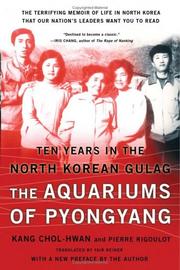
A childhood in Pyongyang, then ten years in the Yodok prison camp, show how political class and punishment shaped life from the 1970s.

A Hyesan childhood near the Chinese border, the 1990s famine and the informal markets that grew up around it.

A former court poet in the regime's propaganda apparatus describes the elite's privileges and the workings of state control.
A boy's struggle to survive the 1990s famine in the northern city of Chongjin, written with Stephan Talty.
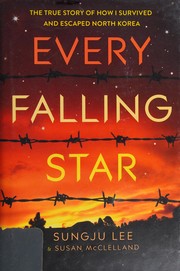
A former elite child becomes a street kid in the famine-era north, and the book shows the gangs and black-market survival of the time.

A woman's life in the northern provinces and her family's hardship, showing the famine years and the pressures on women.
By long-time residents and outsiders who know the place well, or folk tales, poetry and history with a strong feel for North Korea.
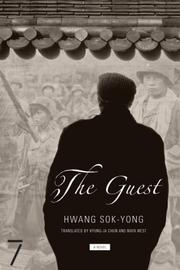
Reckons with the 1950 Sinchon massacre through a Korean-American minister's return to North Korea, rooted in the Korean War's divisions.
Afghanistan Armenia Azerbaijan Bahrain Bangladesh Bhutan Brunei Cambodia China Georgia India Indonesia Iran Iraq Israel Japan Jordan Kazakhstan Kuwait Kyrgyzstan Laos Lebanon Malaysia Maldives Mongolia Myanmar Nepal Oman Pakistan Palestine Philippines Qatar Saudi Arabia Singapore South Korea Sri Lanka Syria Taiwan Tajikistan Thailand Timor-Leste Turkey Turkmenistan United Arab Emirates Uzbekistan Vietnam Yemen