About the literature of Colombia
Colombian literature is best known abroad through Gabriel García Márquez, who won the Nobel Prize in Literature in 1982 and made magical realism world-famous with One Hundred Years of Solitude. His fictional town of Macondo draws on the Caribbean coast where he grew up, with its family tales and local legends. He was a journalist too: News of a Kidnapping reports on the kidnappings ordered by Pablo Escobar's cartel, and his memoir, Living to Tell the Tale, shows how reporting fed his fiction.
Violence, memory and the long shadow of political conflict recur. Juan Gabriel Vásquez's The Sound of Things Falling follows a Bogotá law lecturer piecing together how the drug war marked his generation, and Laura Restrepo's Delirium, set in 1980s Bogotá, ties one woman's breakdown to the violence around her.
“Find a copy” goes to Bookshop.org. If you buy, we earn a small commission and independent bookshops get a share too.
Start here

One Hundred Years of Solitude
Gabriel García Márquez
Novel, 1967. Translated from Spanish
Macondo's rise and ruin across generations echoes Colombia's Caribbean coast, banana-company massacre and cycle of civil wars.
Love in the Time of Cholera
Gabriel García Márquez
Novel, 1985. Translated from Spanish
A decades-long love story set in a Caribbean port city, evoking the Magdalena River and late nineteenth-century Colombian society.

Chronicle of a Death Foretold
Gabriel García Márquez
Novel, 1981. Translated from Spanish
A murder in a small Caribbean river town reveals the codes of honour, religion and collective complicity in provincial life.

Living to Tell the Tale
Gabriel García Márquez
Memoir, 2002. Translated from Spanish by Edith Grossman
Memoir of his Aracataca childhood, Bogotá student years and the 1948 Bogotazo that shaped his vision of Colombia.

The Sound of Things Falling
Juan Gabriel Vásquez
Novel, 2011. Translated from Spanish by Anne McLean
A Bogotá narrator uncovers how the Escobar-era violence shaped his generation and private lives.
The Informers
Juan Gabriel Vásquez
Novel, 2004. Translated from Spanish by Anne McLean
Bogotá's German immigrant community and wartime blacklisting unfold through a son's book about his father's past.
Delirium
Laura Restrepo
Novel, 2004. Translated from Spanish by Natasha Wimmer
A woman's breakdown in Bogotá reveals the intrusion of narco-violence and the fractures of the capital's middle-class families.
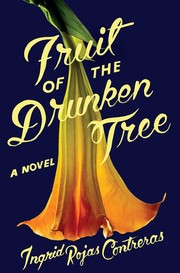
Fruit of the Drunken Tree
Ingrid Rojas Contreras
Novel, 2018
Seen through two girls, a privileged daughter and the family's maid, it shows Bogotá in the early 1990s under Pablo Escobar's violence.

Reputations
Juan Gabriel Vásquez
Novel, 2013. Translated from Spanish by Anne McLean
A veteran Bogotá political cartoonist confronts how his work shaped public opinion, revealing Colombia's press, politics and the violence of the La Violencia and later eras.