Start here
Garden, Ashes
Danilo Kiš
Novel, 1965. Translated from Serbian
A boy's childhood in wartime Vojvodina shows the Pannonian plain, a Jewish family's fate and the Holocaust in rural Serbia and Hungary.
Eight books by writers from Serbia, set there, that give a real sense of the place, starting with Garden, Ashes and The Houses of Belgrade.
Serbia's oldest storytelling tradition is the epic song, sung to the one-stringed gusle, with the Battle of Kosovo of 1389 as a central subject. Serbian is written in both Cyrillic and Latin alphabets, and Belgrade and Novi Sad recur as settings in modern fiction. Much twentieth-century writing is shaped by the two world wars, the Holocaust and the wars of the 1990s.
Danilo Kiš's Garden, Ashes tells of a boy's childhood in wartime Vojvodina and a Jewish family's fate. Aleksandar Tišma's The Use of Man portrays Novi Sad before, during and after the Second World War. David Albahari's Leeches gives a paranoid Belgrade monologue from the Milošević years. Vesna Goldsworthy, who writes in English, recalls socialist-era Belgrade and later exile in Chernobyl Strawberries.
“Find a copy” goes to Bookshop.org. If you buy, we earn a small commission and independent bookshops get a share too.
A boy's childhood in wartime Vojvodina shows the Pannonian plain, a Jewish family's fate and the Holocaust in rural Serbia and Hungary.
Belgrade's streets and houses frame a story of the city's turbulent 20th-century history, from the interwar years through occupation and communism.
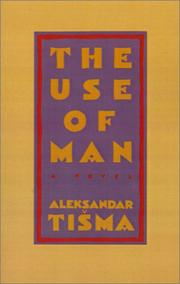
Multiethnic Novi Sad before, during and after the Second World War, including the Hungarian occupation and the destruction of its Jewish community.

A sweeping novel of Serbia in 1914, following peasants, soldiers and politicians through the first months of the First World War.

A Belgrade narrator's paranoid monologue captures the city's atmosphere of nationalism and mistrust in the 1990s Milošević years.
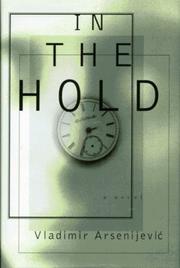
Young Belgraders in a squalid flat drift through the 1990s, shaped by sanctions, war and hopelessness.
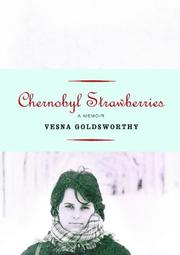
A memoir of growing up in socialist-era Belgrade and later life in exile, with the Yugoslav family and city at its heart.
A teenage narrator's slangy voice captures working-class Belgrade in the 1960s, with its street life and poverty.
Albania Andorra Austria Belarus Belgium Bosnia and Herzegovina Bulgaria Croatia Cyprus Czechia Denmark Estonia Finland France Germany Greece Hungary Iceland Ireland Italy Kosovo Latvia Liechtenstein Lithuania Luxembourg Malta Moldova Monaco Montenegro Netherlands North Macedonia Norway Poland Portugal Romania Russia San Marino Slovakia Slovenia Spain Sweden Switzerland Ukraine United Kingdom Vatican City